Where mountains meet the river in eternal harmony
Guilin, nestled in the northeast of Guangxi Province, is one of China's most celebrated scenic destinations. Its name translates to "Forest of Sweet Osmanthus," reflecting the fragrant trees that line its streets and fill the air with sweetness each autumn.
The city's iconic karst landscape, with dramatic limestone peaks rising unexpectedly from flat plains, has inspired poets and painters for centuries. These formations, sculpted by millions of years of erosion, create a dreamlike tableau where each mountain tells its own geological story.
Beyond its natural wonders, Guilin is a gateway to diverse ethnic cultures. The surrounding regions are home to Zhuang, Yao, Miao, and Dong minorities, each preserving distinct traditions, costumes, and festivals that add rich cultural layers to the region's natural beauty.

314 BC Founded
World-famous limestone peaks and caves
Pristine waters winding through mountains
Rich traditions of Zhuang, Yao, and Dong peoples
Every scene a perfect composition
The soul of Guilin's scenery, this legendary river winds through karst peaks, creating the iconic landscape that appears on China's 20-yuan note. A cruise reveals scenes of fishermen on bamboo rafts and villages nestled among peaks.
A natural limestone cave illuminated with colorful lights, showcasing stalactites, stalagmites, and rock formations that resemble animals, plants, and mythical figures. Named for reeds growing near the entrance used to make flutes.
The "Dragon's Backbone" terraces climb the mountains in swirling patterns, a masterpiece of agricultural engineering created by Zhuang and Yao farmers over 650 years. Seasonal changes paint the fields in green, gold, and silver.
Guilin's most recognizable landmark, this karst formation resembles an elephant dipping its trunk into the Li River. A natural arch between the "trunk" and body creates a perfect spot for photography at sunset.
The largest comprehensive park in Guilin, featuring seven peaks arranged like the Big Dipper. Contains caves, a zoo, botanical gardens, and historic pavilions. Perfect for a leisurely stroll through nature and culture.
A charming riverside town surrounded by karst peaks, famous for its bustling West Street, cycling routes through villages, rock climbing opportunities, and the impressionistic beauty of Moon Hill.
Guilin's cuisine reflects its subtropical location and ethnic diversity. The food here emphasizes fresh ingredients, aromatic spices, and techniques passed down through generations of local and minority communities.
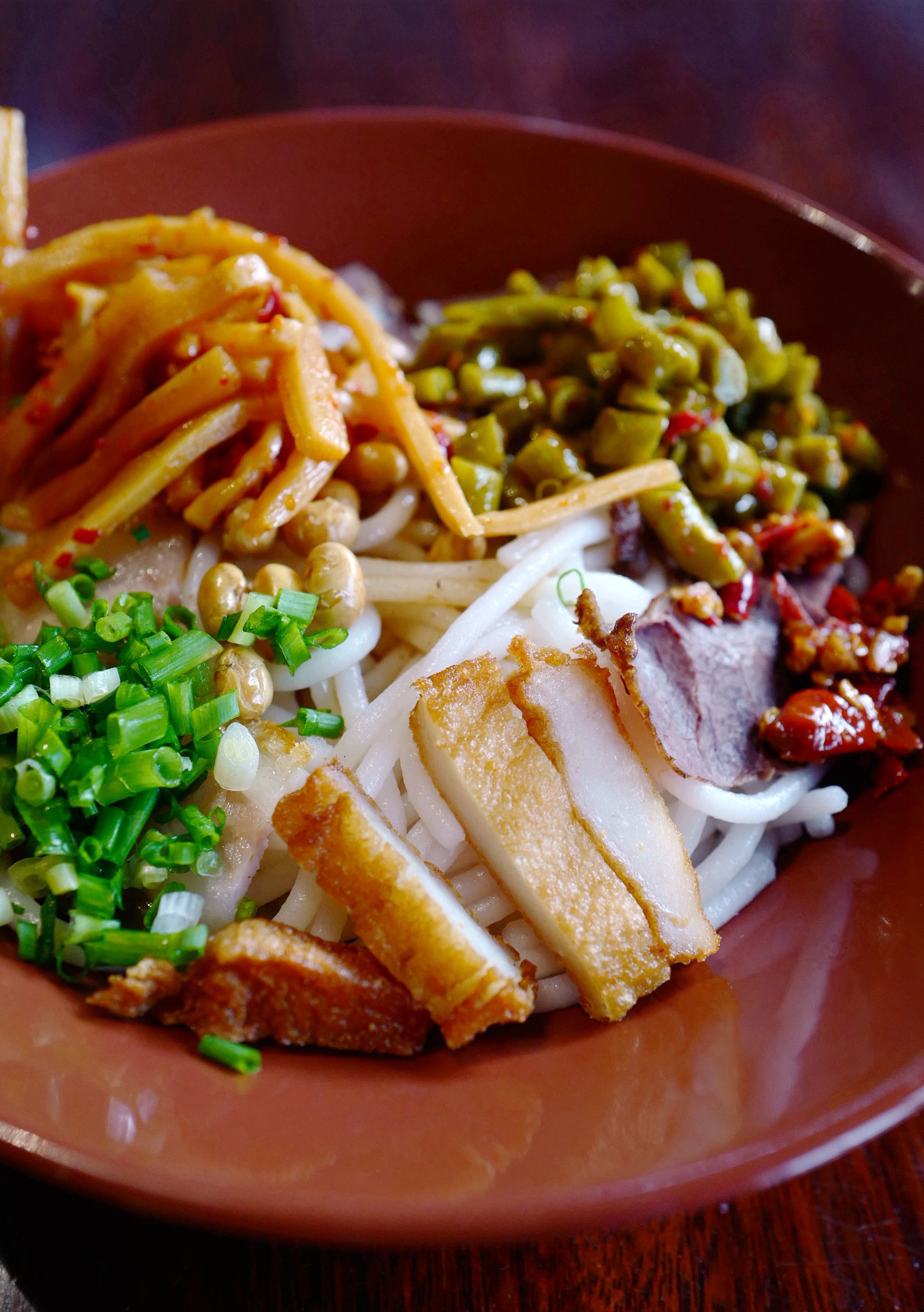
The city's most famous dish, Guilin rice noodles, is a beloved breakfast staple. Thin rice noodles swim in a savory broth topped with pickled vegetables, peanuts, and your choice of meat. Each shop claims its own secret recipe.
From river fish caught daily to mountain vegetables gathered fresh, Guilin's food celebrates the bounty of its landscape. Spicier than Cantonese but milder than Hunan, the local palate finds balance between bold flavors and natural freshness.
Eat in Guilin
Silky rice noodles in aromatic broth with pickled bamboo shoots, fried peanuts, and choice of beef, pork, or horse meat.
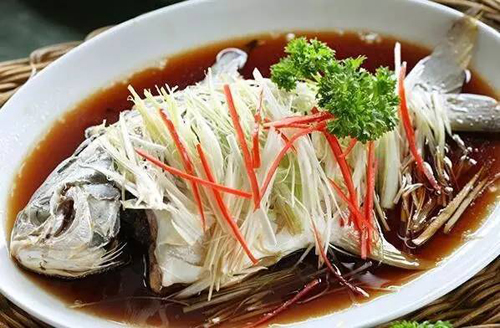
Fresh-caught river fish prepared in various styles, from steamed with ginger to beer-braised, highlighting natural sweetness.
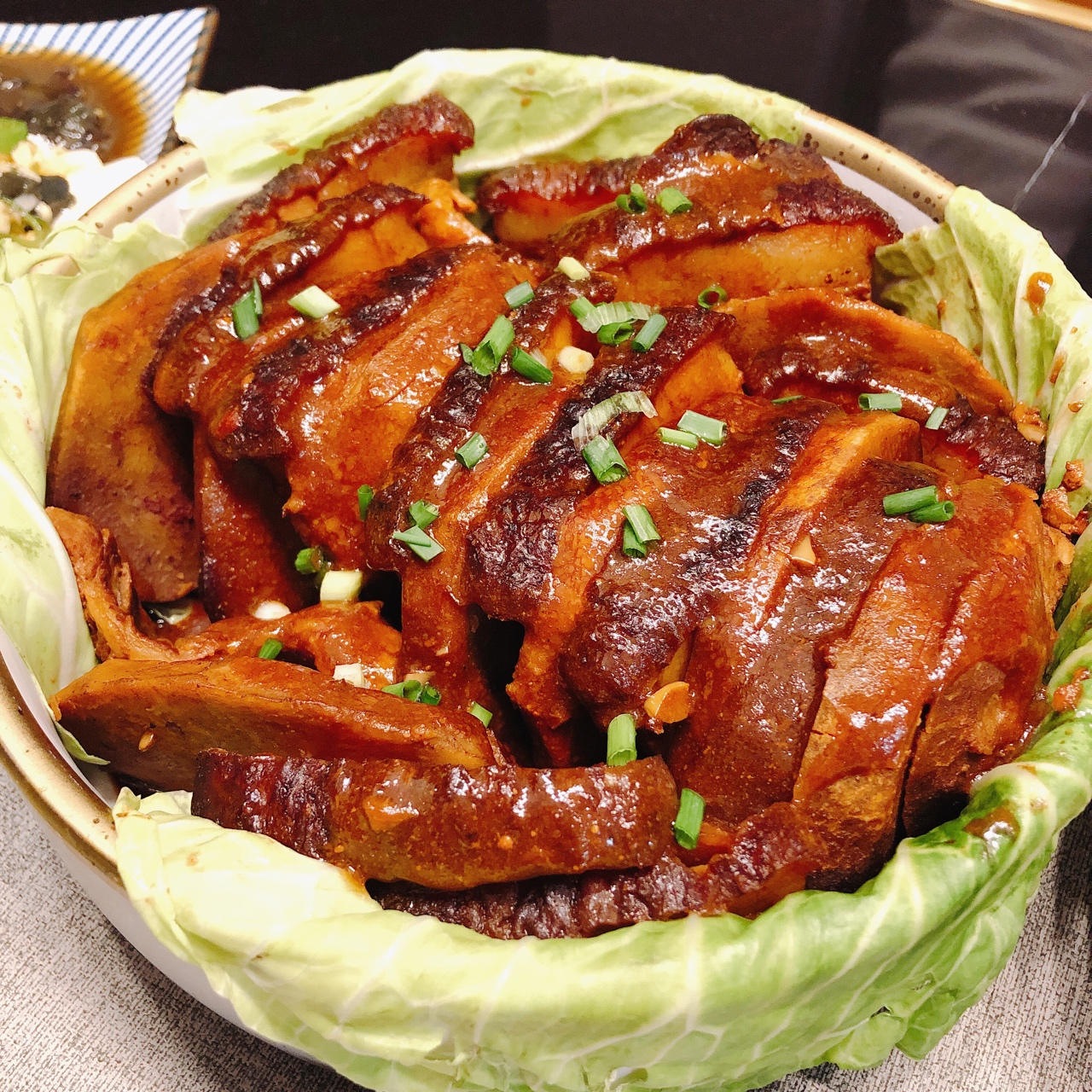
Layers of taro and pork belly steamed together, creating a rich dish where the taro absorbs the meat's savory essence.
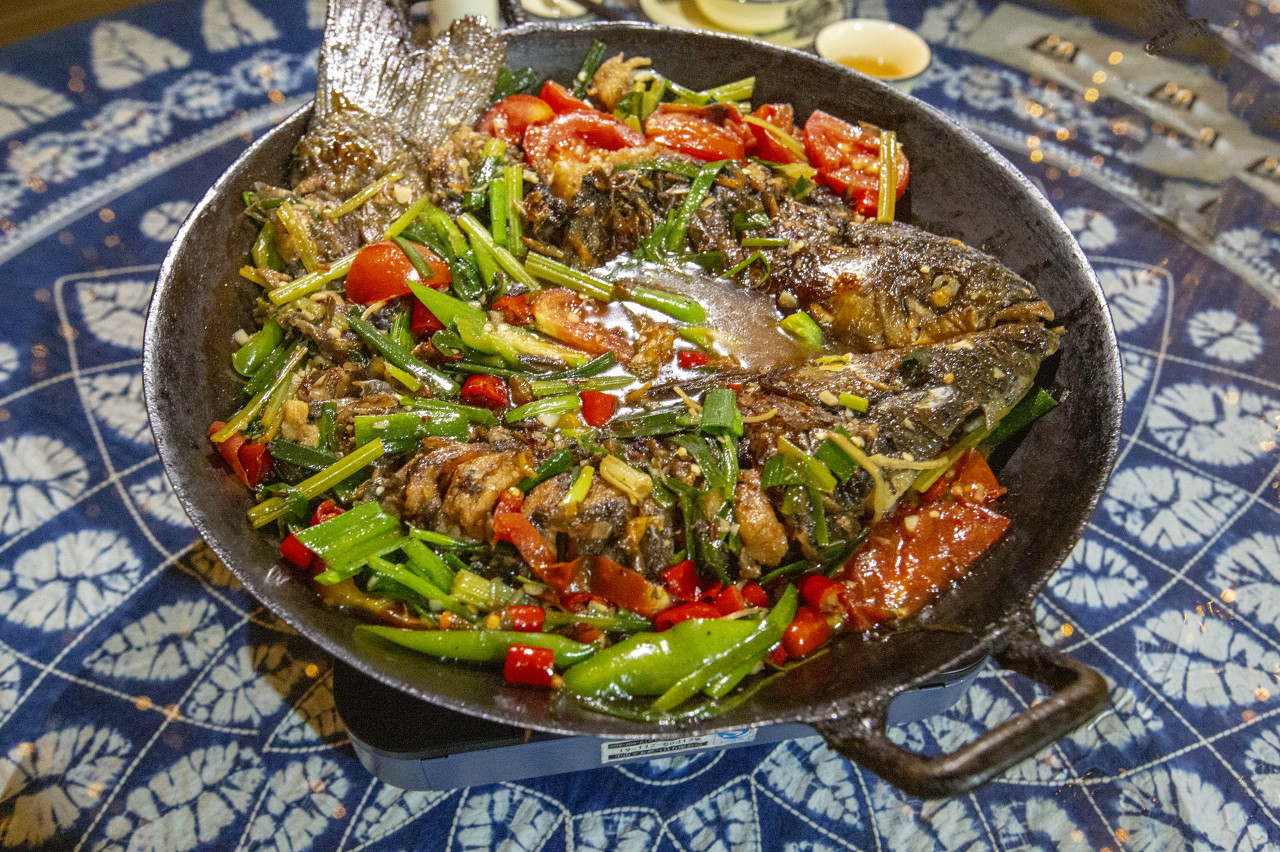
Signature dish of Yangshuo, river fish braised in local beer with tomatoes and spices, creating a uniquely flavorful sauce.
The bustling heart of Guilin's street food scene, offering everything from rice noodles to grilled delicacies. Locals and visitors mingle amid aromatic clouds of cooking smoke and lively chatter.
A pedestrian street lined with restaurants, cafes, and bars offering local specialties and international cuisine. The beer fish restaurants here are particularly renowned.
A newer area offering authentic Guilin rice noodle shops and traditional Guangxi dishes, where locals gather for breakfast and late-night snacks.